.png)

A Complete Guide to UPS Battery Replacement
- Web Expert
- Jul 27
- 5 min read

Updated: Jul 27
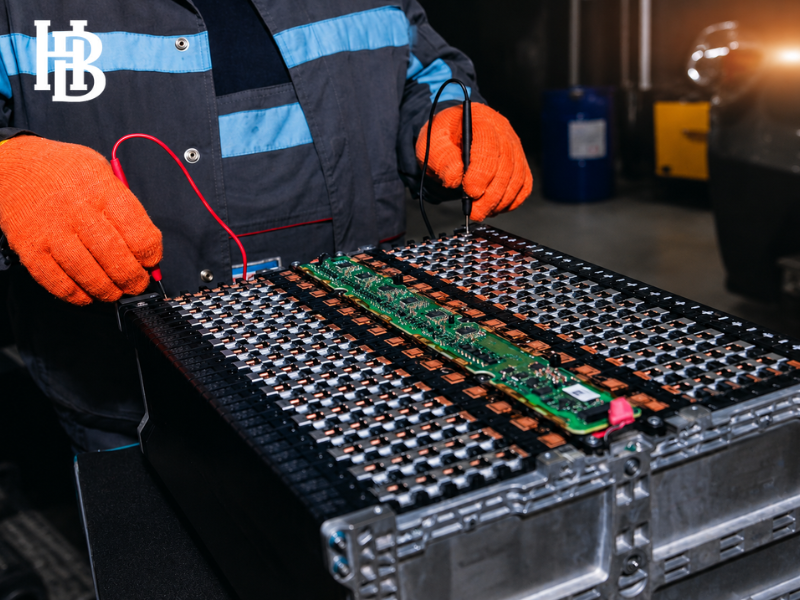
For businesses that rely on continuous power, industrial UPS systems are the backbone of operational reliability. From commercial office networks to mission-critical data centers, these systems ensure that your equipment continues running even during power outages.
However, the heart of any UPS system is its battery. Without a fully functional battery, your UPS cannot provide backup power, making UPS battery replacement a critical maintenance task for businesses of all sizes.
This guide walks you through why UPS batteries fail, the types of batteries used in commercial and industrial settings, and the professional replacement services that keep your power systems running efficiently.
Why UPS Batteries Fail
Even the most high-quality UPS batteries eventually degrade over time. Understanding the reasons behind battery failure can help businesses plan maintenance and replacement before emergencies occur.
Age and Wear of UPS Batteries
UPS batteries have a limited lifespan, typically 3 to 5 years for most commercial units. Over time, the chemical composition of the battery changes, reducing its capacity to hold a charge. As batteries age, they may:
Lose efficiency, providing less backup runtime than expected
Fail unexpectedly during a power outage
Trigger system alarms indicating battery issues
Businesses that ignore battery lifespan risk downtime during critical operations. Scheduling periodic checks ensures that aging batteries are replaced proactively, minimizing the chance of failure.
Environmental Impacts on Battery Performance
Environmental conditions play a major role in battery longevity. UPS batteries are sensitive to:
High temperatures: Consistent exposure above 25°C can accelerate chemical degradation.
Humidity: Excess moisture can lead to corrosion and electrical faults.
Dust and debris: Poorly ventilated UPS enclosures can accumulate dust, affecting battery performance.
Maintaining a controlled environment for UPS systems helps extend battery life and ensures reliable operation. Many businesses benefit from professional installation services that account for environmental factors when placing UPS units.
Overload and Improper Usage
Overloading a UPS or using it beyond recommended specifications can cause premature battery failure. Common issues include:
Connecting too many devices, exceeding the UPS’s rated capacity
Frequent deep discharges that stress the battery
Using incompatible replacement batteries
Properly sizing your UPS system and adhering to usage guidelines is essential for maximizing battery lifespan. Professional UPS battery replacement services can help identify the right battery type and ensure safe installation.
Types of UPS Batteries for Industrial and Commercial Use
Choosing the right battery is as important as replacing it on time. Businesses have several options based on power requirements, budget, and facility needs.
Sealed Lead Acid (SLA) Batteries
SLA batteries are common in small to medium commercial UPS systems. They are:
Affordable and widely available
Maintenance-free for most applications
Safe and reliable for indoor use
These batteries are ideal for office UPS units, network servers, and small industrial equipment. Despite their convenience, SLA batteries have a limited lifespan and must be replaced regularly to maintain UPS reliability.
Long-Life VRLA Batteries
Valve-Regulated Lead-Acid (VRLA) batteries are a more advanced option, offering:
Longer operational life compared to standard SLA batteries
High tolerance to deep discharges
Reduced maintenance requirements
VRLA batteries are well-suited for industrial battery backup systems and data centers where consistent, high-capacity power is required. Their long-life design reduces replacement frequency and overall maintenance costs for commercial facilities.
High-Capacity Batteries for Data Centers
Large data centers and mission-critical facilities often require high-capacity batteries to maintain continuous operations during extended power outages. These batteries:
Deliver high power output for three-phase UPS systems
Are modular and scalable for future growth
Can integrate with redundant UPS configurations for maximum reliability
Selecting high-capacity batteries ensures businesses can maintain backup power during emergencies without disruption, safeguarding critical infrastructure and sensitive equipment.
Professional UPS Battery Replacement Services
Replacing UPS batteries is not just about swapping old units for new ones. Professional services provide expertise that ensures safety, efficiency, and reliability.
Replacement Batteries for Industrial UPS Systems
Industrial UPS systems often use high-voltage, high-capacity batteries that require specialized knowledge for safe installation. Professional services include:
Correct sizing and matching battery specifications
Safe handling of heavy or high-voltage batteries
Installation of replacement modules without downtime
By relying on experts, businesses avoid risks associated with incorrect installation, which can damage UPS systems or compromise power protection.
Commercial UPS Battery Replacement
Commercial facilities, from office buildings to small data centers, benefit from professional UPS battery replacement that includes:
Testing and monitoring the health of existing batteries
Replacing multiple battery units simultaneously for consistent performance
Ensuring compatibility with existing UPS hardware
Commercial UPS battery replacement ensures that business continuity is maintained and that systems are ready for unexpected power interruptions.
Maintenance-Free UPS Batteries for Businesses
Many modern UPS systems are designed to use maintenance-free batteries, which reduce operational overhead. Services typically include:
Installation of maintenance-free, VRLA, or sealed lead-acid batteries
Routine performance checks and monitoring
Documentation of battery lifecycle for compliance and auditing purposes
Maintenance-free batteries are ideal for facilities where ongoing manual maintenance is impractical, allowing businesses to focus on core operations without worrying about UPS performance.
Benefits of Professional UPS Battery Replacement
Choosing professional UPS battery replacement services offers multiple advantages:
Reliability: Ensures UPS systems operate at full capacity during outages.
Safety: Reduces risk of electrical hazards associated with handling high-voltage batteries.
Efficiency: Proper installation and testing prevent performance issues and extend battery life.
Compliance: Meets safety and industry standards for commercial and industrial facilities.
Minimized Downtime: Expert services minimize interruption to critical operations.
With professional support, businesses can optimize UPS performance and avoid costly failures.
Best Practices for Maintaining UPS Batteries
Schedule periodic battery testing and load checks.
Maintain a controlled environment with optimal temperature and ventilation.
Avoid overloading the UPS system beyond its rated capacity.
Keep a replacement battery inventory to quickly swap aging units.
Engage qualified UPS technicians for inspections and replacements.
Adopting these practices ensures businesses maintain continuous, reliable backup power, protecting both operations and critical data.
Conclusion
UPS battery replacement is more than a routine task it is a critical investment in business continuity. Understanding battery lifespan, environmental factors, and proper usage ensures your UPS systems provide reliable power when you need it most.
Professional UPS battery replacement services not only extend the life of your UPS systems but also protect your facility, equipment, and staff from unexpected downtime. Whether it’s an industrial facility, commercial office, or data center, maintaining healthy UPS batteries is essential for safeguarding operations and ensuring peace of mind.
Investing in high-quality batteries, preventive maintenance, and professional support is the most reliable way to guarantee continuous, mission-critical power protection.
FAQs
Q1: How often should UPS batteries be replaced?
A: Most commercial and industrial UPS batteries last between 3–5 years. Regular testing can help predict failures and schedule timely replacement.
Q2: What types of UPS batteries are best for commercial use? A: Sealed Lead Acid (SLA) and long-life VRLA batteries are common for offices and industrial facilities. High-capacity modular batteries are preferred for data centers.
Q3: Can I replace UPS batteries myself? A: While small UPS units may allow DIY battery swaps, industrial or three-phase systems should always be serviced by professionals due to safety risks.
Q4: How do environmental factors affect UPS battery life? A: High temperatures, humidity, dust, and poor ventilation can accelerate battery degradation. Controlled environments improve performance and longevity.
Q5: What is included in professional UPS battery replacement services? A: Services typically include battery testing, safe removal and installation, compatibility checks, and performance verification to ensure reliable backup power.


Comments